
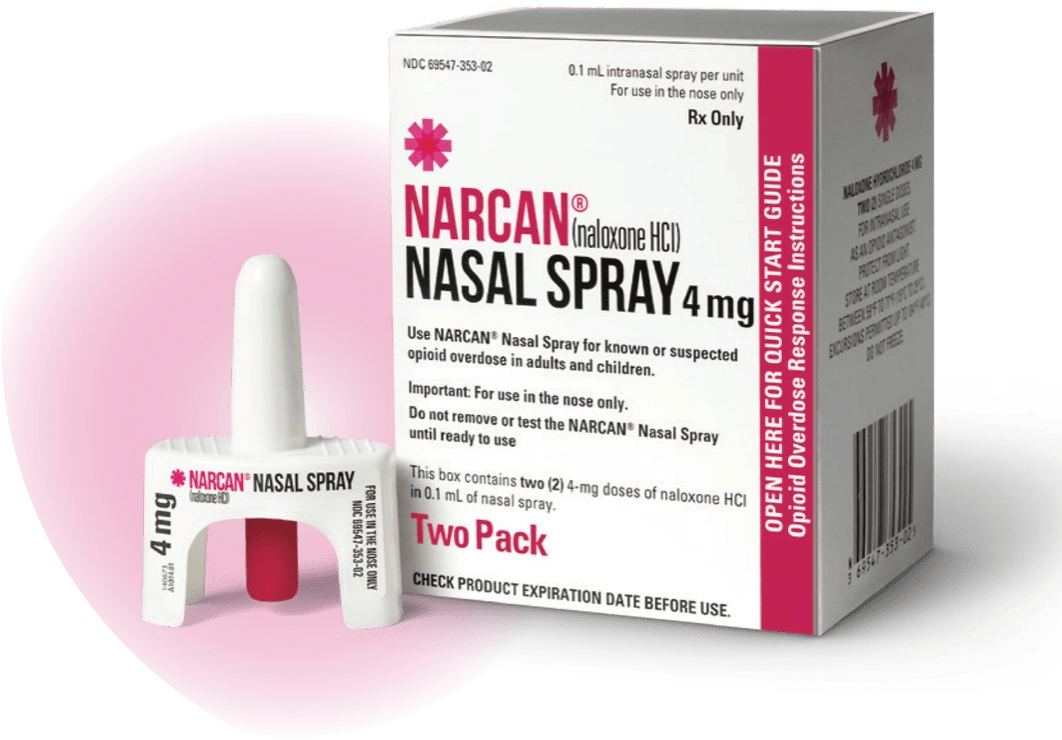

The article focuses on the upcoming meeting by the US Food and Drug Administration (FDA) to discuss whether to make a nasal spray version of the opioid overdose antidote Narcan available over-the-counter. The article also discusses the application submitted by Emergent BioSolutions Inc. to the FDA to sell generic naloxone hydrochloride without a prescription, which was granted priority review after the FDA indicated its support to improve access to the lifesaving medication.
The article highlights how opioid overdose numbers in the US have been skyrocketing, and research shows that the broader availability of the antidote could save lives. Naloxone, which has been around for more than five decades, was initially used by first responders and hospitals to resuscitate people who may have died from an overdose.
The article also discusses the concerns expressed by the FDA about the label and ease of use of the nasal spray. During the meeting, the FDA’s Nonprescription Drugs Advisory Committee and the Anesthetic and Analgesic Drug Products Advisory Committee will hear evidence on the nasal spray, and approval could come later this year.
The article notes that making naloxone available without a prescription may clear up some confusing legalities that could make non-pharmacy programs reluctant to distribute it. The article also highlights the record number of overdose deaths in the US and the involvement of opioids, particularly fentanyl and other synthetic opioids, in two-thirds of these deaths.
The article points out that while making naloxone more accessible is a good step, it still needs to end up in the hands of people who can save someone who is overdosing. There are concerns that making it over-the-counter could bring the price down, but if insurance stops paying for it, the cost could become a problem.
Overall, the article emphasizes the importance of improving access to naloxone to save lives, especially in the face of the opioid epidemic in the US. The possibility of making it available over-the-counter presents a potential solution, but there are also concerns that need to be addressed to ensure it reaches the people who need it most.
Chris Packham, LAADC, M-RAS, CCDS, CS