
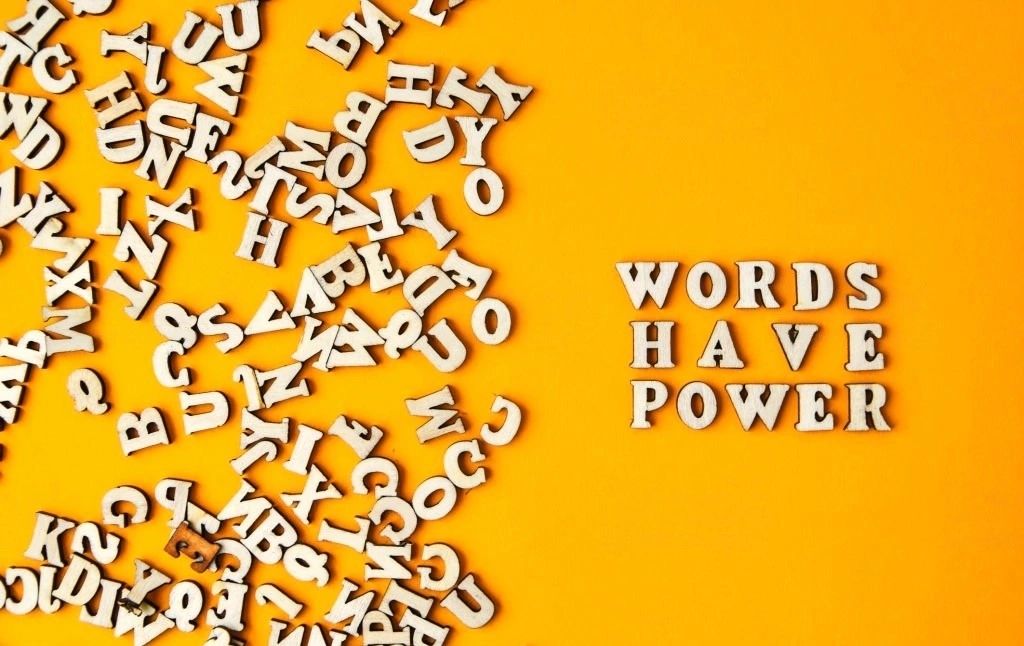
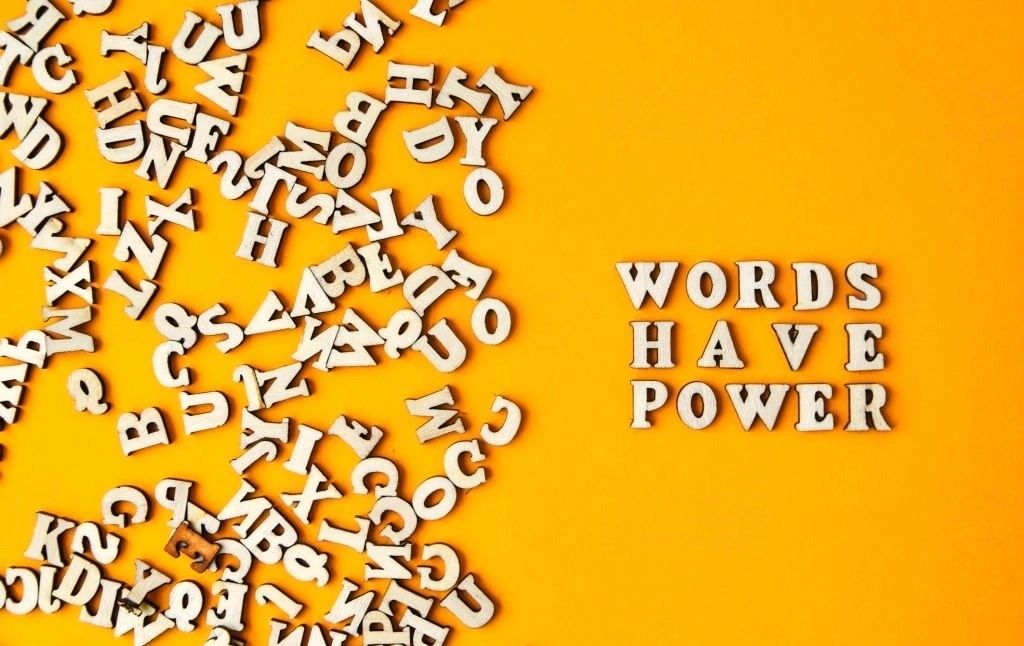
The familiar adage "Sticks and stones may break my bones, but words will never hurt me" has been embedded in our psyches from a young age. It implies that physical injuries are more severe than the damage caused by harmful language. However, when scrutinized further, it's clear that words can inflict deep wounds, leaving unseen yet equally damaging scars. Recognizing the repercussions of physical harm is crucial, but so is acknowledging the detrimental outcomes of verbal mistreatment and comprehending its enduring influence on individuals.
This phrase has helped me become less sensitive to bullying and teasing. But it doesn’t deny that words have their impact, which can profoundly impact the listener. Rude and brutal comments can leave marks that are not visible upon observation, but their pain is unbearable.
Do you think that words do not influence the listener? Then you must know that words can impact someone more than sticks and stones do. They can pierce our hearts with their brutality. Not only this, but positive and enthusiastic comments can help a person sum up the energy and strength required to do something fantastic in life. It can harm us to the point of embarrassment, shame, guilt, or just isolation.
As our brain records the harmful words that are said to us, it begins a chain reaction with our nervous system, which triggers our fight or flight system. We start to become more anxious to the point where we experience an emotional outburst, frustration, or just shut down.
Alcohol and other drugs start to play a role in our lives to the point of consuming alcohol to calm our nerves or self-medicate to help cope with the harsh words that were spoken to us.
Psychological Impact:
Verbal abuse can damage an individual's self-esteem and foster a poor self-concept. Persistent exposure to harmful language can diminish self-assurance, resulting in feelings of inadequacy and uncertainty. This may lead to anxiety, depression, and additional mental health concerns. Those subjected to verbal mistreatment may have trust issues, face obstacles in establishing healthy connections, and encounter challenges in different aspects of life such as work, education, and personal development.
Impact on relationships:
The detrimental impacts of verbal abuse reach beyond the person, influencing interpersonal connections too. Harsh language can burden relationships, weaken trust, and foster a negative atmosphere. Within families, friendships, or romantic bonds, verbal mistreatment can result in communication breakdowns, emotional detachment, and the perpetuation of abusive cycles. The lingering effects of painful words may remain long after they were uttered, leading to lasting emotional obstacles that are challenging to surmount.
How Words Retrain Your Brain?
Words have the power to retrain your brain and change it accordingly. Words can significantly alter the expression of genes and regulate the brain’s working in different scenarios.
When our brain perceives positive words and detects positive vibes and tones, it helps release stress and anxiety. Positive comments are effective enough to strengthen the frontal lobes of the brain’s cerebrum.
In addition, words having some motivation and positivity can affect the motivation centers in the brain that can turn your thoughts into action. They can change one’s destructive behaviors and activities through the brain’s natural neuroplasticity.
At the same time, negative words have a worse impact on the brain and its areas. When some negative comments hit our vestibulocochlear nerve, our neuroplasticity and stress management tries to protect the release of neurochemicals, resulting in anger and resentment.
On the contrary, the brain would produce neurochemicals that result in the brain cells’ neurotoxicity.
Watch Your Words Before They Leave Your Mouth:
During the conversation, being mindful of your pitch, tone, volume, and the rate at which you are speaking matters. It is not just about the terms, but how you deliver them leaves a long-lasting impact on the listener’s mind, along with your own.
The utmost importance of communication is not just delivering relevant information but influencing others' minds and hearts with your positive energy and mindful words.
I wonder how people imagine that sticks and stones can break their bones, but words would never hurt them. Using words casually and unintentionally can sometimes hurt someone more than your imagination can imagine. So be intentional about your words and watch them before they leave your mouth. Make sure everything you say is meaningful and supportive of the person in front of you.
Closing Words!
Though physical injuries are often more noticeable, the undeniable power of words to inflict emotional pain cannot be ignored. The adage "Sticks and stones may break my bones, but words will never hurt me" fails to convey the enduring consequences of verbal mistreatment. Recognizing the detrimental effects of harmful language and striving for a society that embraces empathy, respect, and compassionate dialogue is essential. By acknowledging the significance of our words and promoting a culture of kindness, we can reduce the damaging influence of verbal abuse and establish a secure and nurturing atmosphere for everyone. In other words, be mindful of yourself and how you would like to be spoken to.
For more information contact Chris Packham, LAADC, MSW, M-RAS, CADTP, CCDS at 408-915-1321 or dcpackhams@gmail.com