
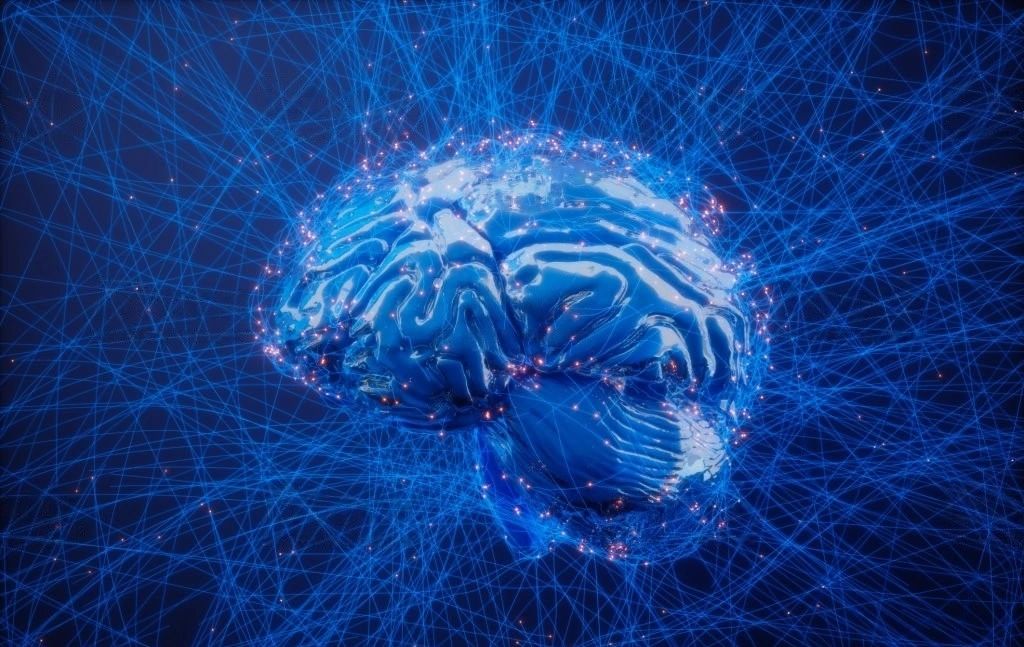
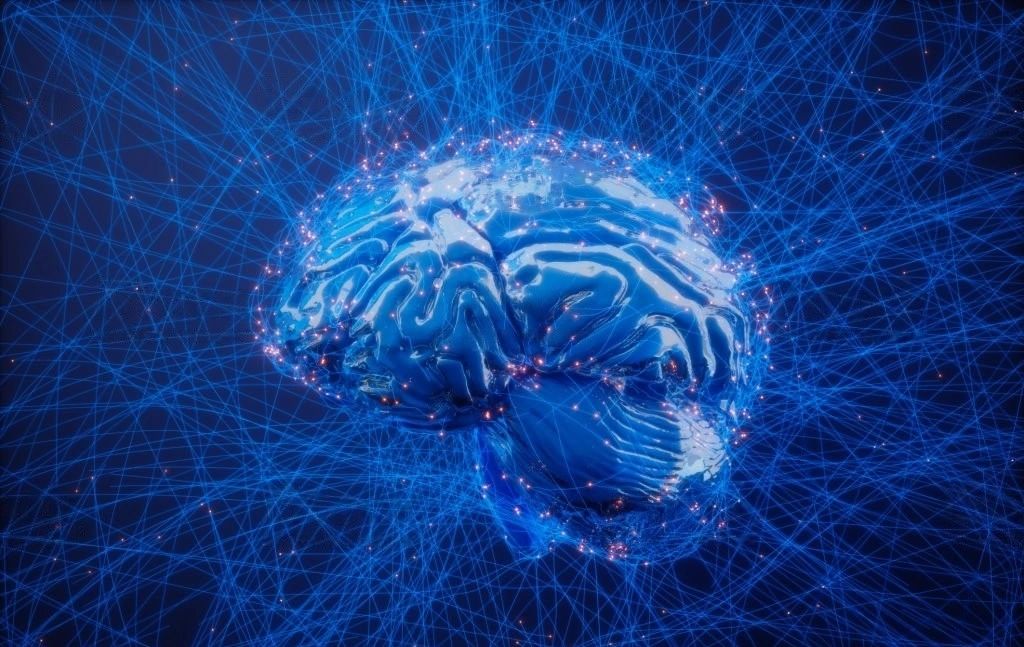
Addiction is a compulsive behavior characterized by an inability to stop engaging in an activity despite significant health consequences. It is often associated with substance use, but addiction can be anything from gambling to spending too much time browsing the internet. It can be described as the continued cycles of enjoyment, withdrawal, and craving for activity, resulting in compulsive behavior that is hard to extinguish due to changing delicate brain chemistry. Neuroplasticity changes how we interact with our family, friends, and co-workers when someone engages in reckless behaviors for some time. Addiction comes in many forms, where neural networks alter our worldview. In other words, you take on the personas of Dr. Jekyll and Mr. Hyde.
Millions of people worldwide struggle with the complex and dire consequences of mental health issues. It can be challenging to understand and cope with, especially when there aren't any clear answers or solutions. But we must remember that there is help available, no matter where we go on our journeys. Many organizations, support groups, and trained professionals can provide valuable guidance, empathy, and advice for those struggling with their mental health. We may not always have all the answers or know where to turn, but seeking help from the right people can make all the difference in getting the necessary treatment and support behaviors to feel healthy again.
Addictive behaviors often lead to long-term consequences. Physical consequences can include increased blood pressure, increased heart rate, shortness of breath, sleep deprivation, malnutrition, and weakened immunity. Emotional consequences are also common, including mood swings, loss of motivation, anxiety, depression, and social isolation.
Coping mechanisms
At its core, addiction is a coping mechanism used to cope with stress, depression, or other mental health conditions. People addicted to behaviors often do not realize they need help, and they continue to use the behavior or substance to cope with their stress and other underlying issues. Addiction is a strong, overwhelming, and often destructive force.
Once individuals recognize an addiction, they must take steps to cope with it. The first step should be to seek professional help. A psychologist, psychiatrist, or another mental health professional can help individuals understand the underlying cause of their addiction and offer advice on how to cope with it.
Other forms of treatment for addiction can include cognitive-behavioral therapy, motivational interviewing, 12-step programs, and self-help strategies. Cognitive-behavioral therapy helps individuals identify the thoughts and behaviors that lead to addiction and teaches strategies to help break those patterns. Motivational interviewing involves talking to individuals about their goals and how to reach them. Self-help strategies can include lifestyle changes, such as avoiding triggers, limiting access to unhealthy behaviors and substances, setting achievable goals, and seeking support from family and friends.
The benefit of addiction counseling
In addition, to professional help, there are also lifestyle changes that individuals can make to help cope with their addiction and unhealthy behaviors. Regular exercise and healthy eating can improve physical and mental well-being and reduce cravings. Limiting and monitoring alcohol and drug use can help prevent relapse. Stress management techniques like deep breathing and journaling can also help reduce stress levels and cravings.
Improved self-esteem, balanced stress management techniques, better mental health coping mechanisms, relapse prevention, guidelines for interpersonal communication and relationship repair, improved communication skills, and a better understanding of addiction and its effects are all benefits of addiction counseling. Additionally, seeking professional support can provide a sense of calmness because you want to seek knowledge of your triggers and co-occurring mental health conditions. Counseling offers an effective healing environment and can assist you in finding "who you are" and making healthy changes in your life.
Addiction is a complex disorder that requires multi-faceted treatment. Professional help is essential, but individuals can also take steps to manage their unhealthy behaviors and develop healthy coping skills. Making lifestyle changes, such as healthier eating and regular exercise, can help individuals manage their addiction and become more resilient. With the right help and understanding, those suffering from addiction can learn the skills to live a healthier, more balanced life. If you know someone facing addiction, email me at dcpackhams@gmail.com, and we, as a team, can determine the best option.
Chris Packham, LAADC, M-RAS, CCDS, CS