
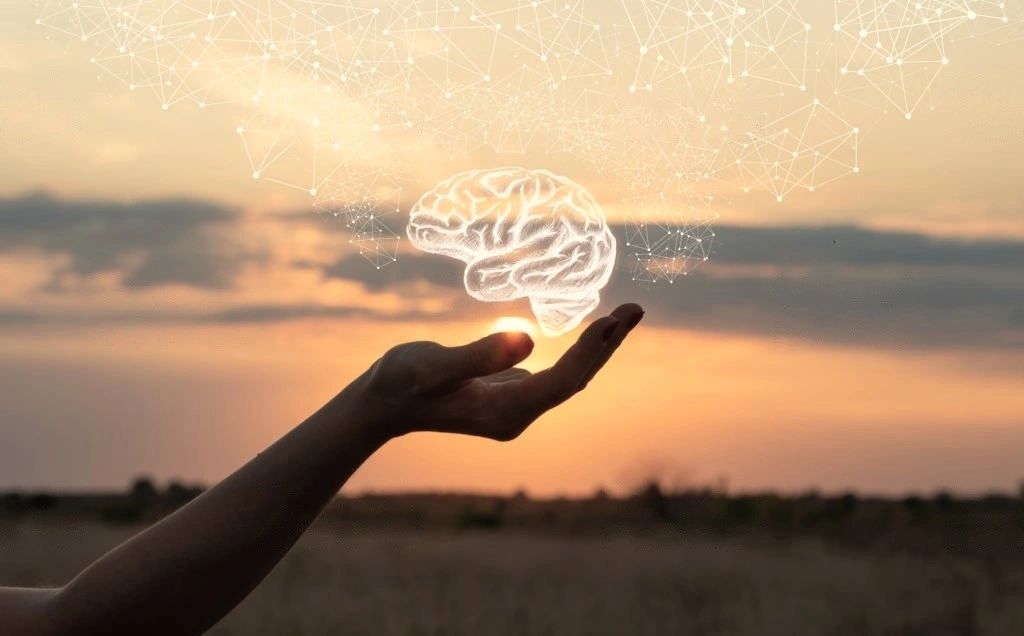

Is there a mental health condition at play here if you or a loved one is caught in a cycle of bad behaviors? Or is this the result of addiction?
You struggle to recall a specific moment when the cycle started, and you're not sure if you can even change course while it continues.
We recognize that being in this environment can be frightening and confusing for people dealing with mental health issues or addiction. It may seem as though nothing is going right for you when overwhelming emotions, intrusive thoughts, and perplexing or destructive behavior result from substance use.
You are not alone if you or a loved one are having a difficult day, or if it's a good day but you know something bad is about to happen. And you rightly want a straightforward response to your seemingly straightforward query. So that you can comprehend what is happening, you want the confusion to disappear. In order to identify a solid course of action, you need to be able to understand a definition that is applicable in real life.
You should receive a precise diagnosis. Discovering who you want to be is something you deserve. You deserve to receive the assistance required to achieve long-term rehabilitation. The response, though, might not be a simple yes or no, this or that. You or a family member may be dealing with a mental health disorder, a substance use disorder, or both, which we define as a co-occurring disorder.
We’re here to help you untangle the relationship between addiction and mental health disorders—and to help you understand where to go from here.
How are addiction and mental health disorders related?
Let’s start by differentiating substance use and mental health disorders, and seeing how the two connect.
Mental health disorders: Depression, anxiety, PTSD, and bipolar disorder—are all common mental health disorders. By definition, a mental illness is characterized by a disturbance in a person’s cognition (thinking), emotion regulation, or behavior that reflects a change or dysfunction in the psychological, biological, or developmental processes.
Addiction: Clinically known as substance use disorder, drug and alcohol addiction involves patterns of symptoms caused by consistently using a substance despite its negative effects.
Unfortunately, hurtful stigmas surrounding drug and alcohol addiction remain. But the truth is that addiction is a mental health disorder that causes cognitive, behavioral, and physiological symptoms. For example, you might find yourself drinking alcohol despite consistent hangovers, risky behaviors while under the influence, and failing to meet your obligations.
Even though mental health disorders don’t always involve addiction, addiction is always classified as a mental health disorder. It’s possible for a person to be diagnosed with one or the other separately, but the chances of simultaneously having both a mental health disorder and substance use disorder are very high.
What is a co-occurring disorder?
Co-occurring illnesses, often known as dual diagnoses, occur when a mental health condition and a substance use disease coexist. It's totally normal to feel overwhelmed if you believe you have two conditions that interact, making the weight of both seem bigger and more difficult to bear.
Co-occurring illnesses are a prevalent diagnosis since many different mental health diseases and substance use disorders interact with one another.
In actuality, 7.7 million persons suffer from both substance use disorders and co-occurring mental problems, according to a 2018 National Institute on Drug Addiction report. 37.9% of the 20.3 million persons with substance use disorders who also had mental diseases received a diagnosis. Also, 18.2% of the 42.1 million persons with mental disease diagnoses also had substance use issues.
It might be challenging for people with co-occurring illnesses to distinguish which disorder manifested first. To improve your chances of making a full recovery after treatment, it is essential to treat both concurrently with qualified addiction and mental health doctors.
Co-occurring disorders, like any mental health problem, can affect anyone, and any substance could be causing a substance use disorder. Co-occurring disorders frequently cause persons to suffer with:
- Alcohol
- Tobacco
- Opioids
- Stimulants
- Marijuana
- Hallucinogens
- Prescription drugs
Am I drinking/using because I’m addicted or because of a mental health disorder?
Have you ever reached a point where you are just interested in learning why you aren't feeling like yourself? Why it's difficult for you to function on a daily basis. Why does the notion that you ought to be joyful but aren't persist? Alternatively, why do you persist in using alcohol and drugs despite wanting to stop?
It's crucial to keep in mind that merely taking a substance does not always result in full-blown substance use or co-occurring illness when attempting to distinguish between addiction and a mental health disorder. For instance, just because someone drinks excessively once or twice and feels the consequences, it doesn't necessarily indicate that they have a drug use disorder or that the effects will last for a long time.
However, if drug or alcohol use is impacting their life negatively over and over again and is causing chaos in other areas of their life, the likelihood that a substance use disorder has developed or will develop significantly increases.
To get a better understanding of your own substance use, it’s important to uncover your “why.” Why are you drinking or using? For example:
- Am I using substances to self-medicate and quiet my anxiety, trauma, PTSD, depression, ADHD, or other mental health issues?
- Am I using substances to get through the stressful, day-to-day circumstances of my life?
The motivations behind drinking or using drugs vary greatly among people and are deeply personal. Whether it's with a loved one, in an AA or NA meeting, with your doctor, or for the time being simply with yourself, create a judgment-free environment where you feel safe discussing your most intense feelings and difficult facts.
You'll get a better understanding of how substances are affecting your life as you learn the reasons behind your substance use and whether a mental health problem may be fostering an unhealthy relationship with drugs and alcohol.
How do I get an accurate diagnosis?
A mental health professional's appropriate diagnosis is the first step on your path to recovery. Accurate diagnoses can be made by trained and certified specialists with knowledge of substance use and mental health concerns. In turn, this dramatically improves your chances of getting therapy that works, starting a long-term recovery, and leading a happy, hopeful life.
We get how frightening it can be to express your most intimate ideas and feelings. We want you to know that there is more to you than this condition or these disorders, despite the fact that some people along the way may have made you feel embarrassed of or insecure revealing your difficulties with mental health or substance use. There is hope in recovery, and there is more to your life and who you will become.
Chris Packham, LAADC, M-RAS, CCDS, CS