
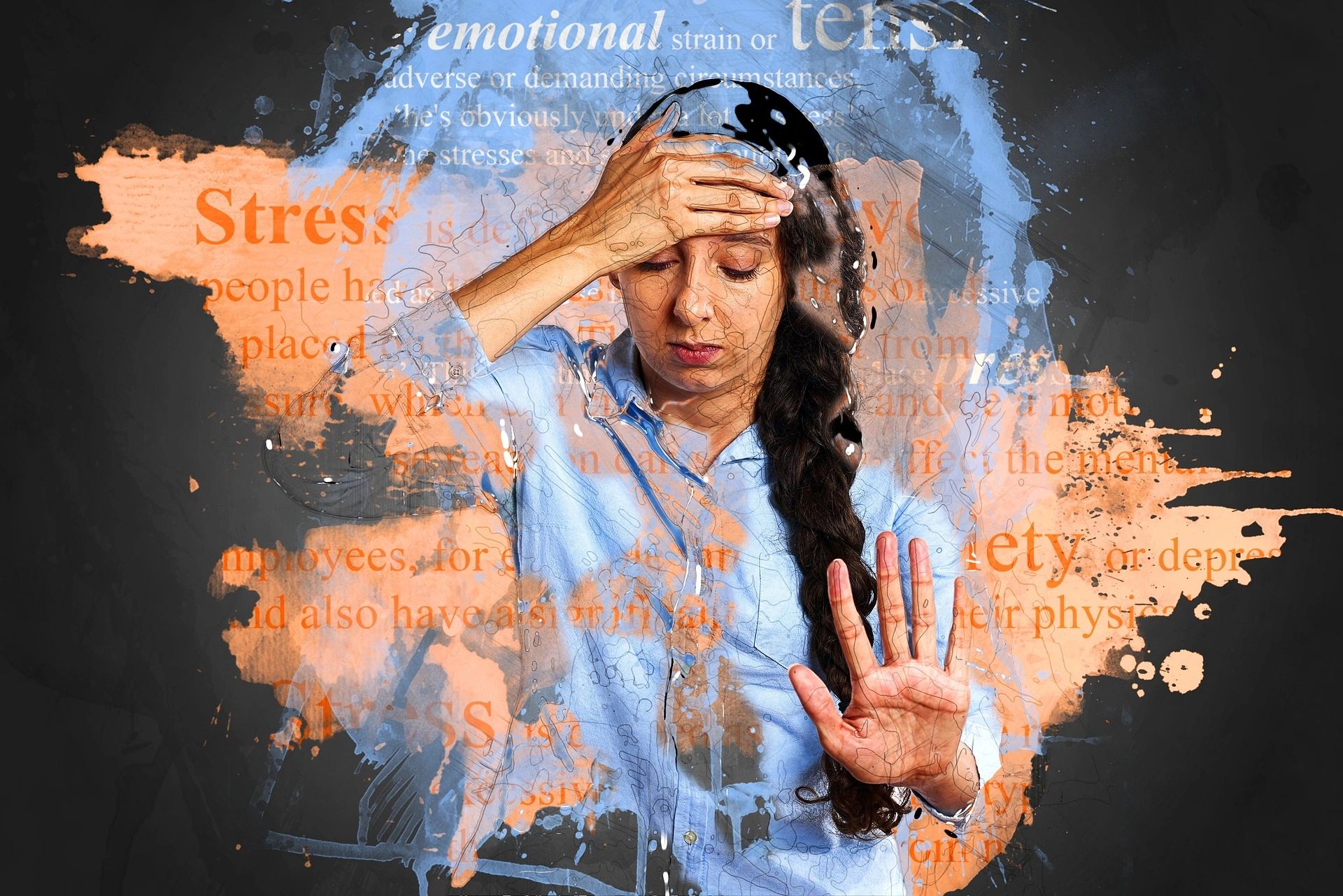
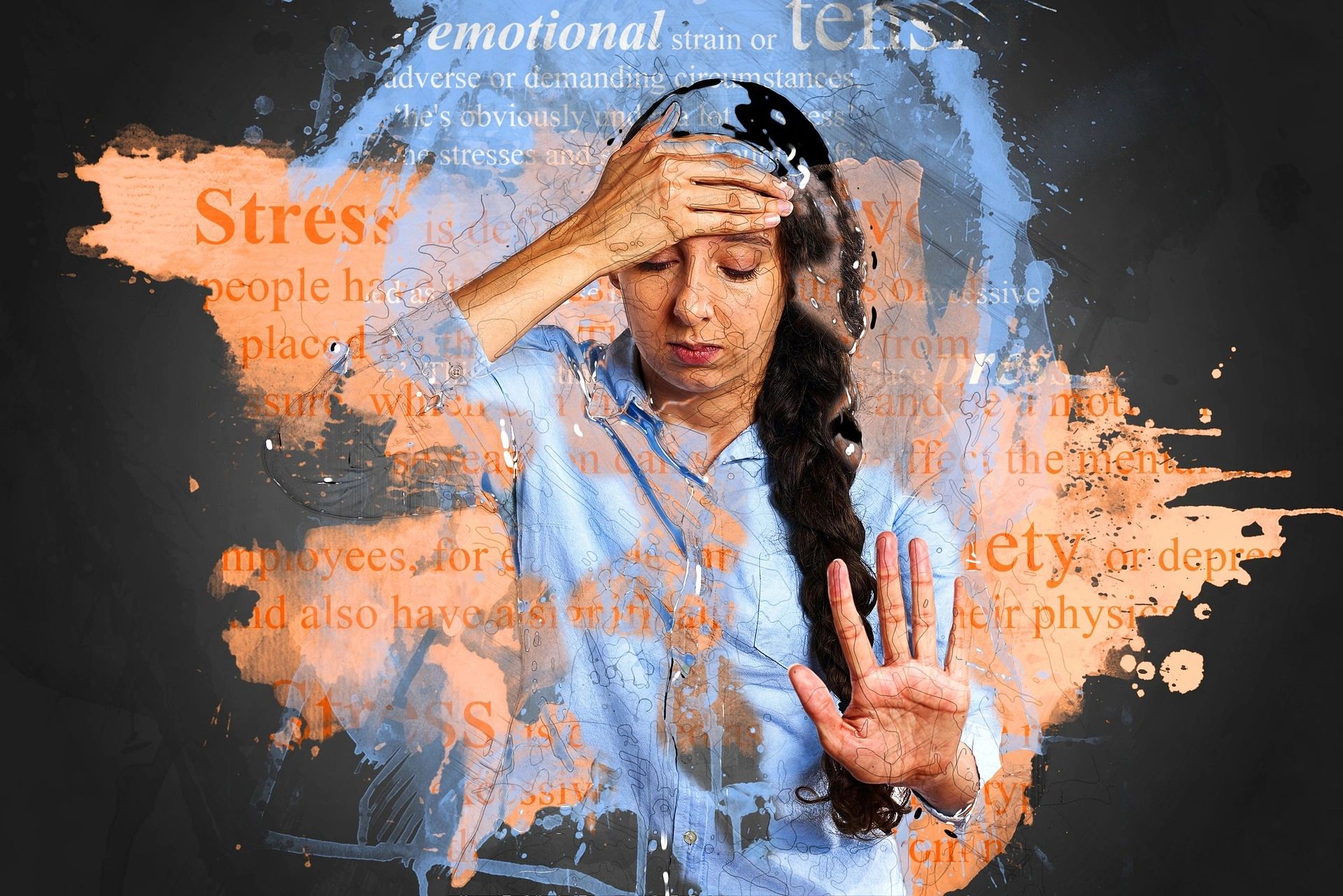
While anger is not often related to anxiety, there is research that a human’s anger rate and intensity can rise when they have an anxiety illness.
Anxiety is frequently linked to overstimulation caused by a stressful environment or threat and perception of inability to deal with that threat. Anger, on the other hand, is commonly associated with frustration. When anxiety goes unnoticed and unspoken, it can evolve into irritation, turning into anger.
What exactly is anxiety? What does it feel like to be worried?
It is most commonly defined by psychologists and scholars as.
An emotional state is marked by tense feelings, anxious thoughts, and physical changes such as elevated blood pressure, sweating and a sick feeling.
It is the physical reaction of the human body to danger. It consists of three parts: thoughts, emotions, and acts.
There is no anxiety if there are no painful feelings, negative and recurrent thoughts, or dysfunctional activities (such as avoidance). It can take various forms, but it’s always a mixture of those three things that makes life difficult.
What exactly is anxiety? What does it feel like to be anxious?
Anxiety disorders are frequently mentioned by psychologists while discussing anxiety. And around 40 million people in the United States alone suffer from one or more of these conditions. However, many more people are simply anxious. They merely experience a general feeling of anxiety, nervousness, or unease.
Anxiety can take the form of:
· Nervousness
· Muscle twitching or tension
· Incapable of sitting still
· A pounding heartbeat
· You can’t take a breath.
Panic attacks can occur in people with anxiety disorders, as previously stated. Although panic attacks and anxiety are similar, there are a few crucial differences. For starters, a panic attack strikes without warning. You might be having a panic attack if you went from just being calm to feeling severely worried in a few minutes. Panic attacks are also defined as having at least four of the following symptoms:
· The sensation of being choked
· Pain in the chest
· Tingling or numbness
· trembling or shaking
· Sweating
Because these symptoms can also be experienced by people who have heart illness, thyroid issues, or respiratory problems, some people may not understand that their symptoms are caused by anxiety. As a result, if you’ve had symptoms of a panic attack that another medical issue can’t explain, you could be suffering from an anxiety disorder.
Anxiety sufferers may become dissatisfied and furious due to their disorder’s adverse effects on their lives. Most of the time, they will direct their rage at themselves.
When anxiety attacks, does it turn into frustration or anger.
When a person is anxious, they are frequently more irritable than usual. It’s a typical sign of the condition.
The person may feel worried and deprived of energy if their body and mind are overburdened with anxiety. This makes it harder for them to shrug off or avoid things as quickly as they might otherwise. As a result, they may become more irritated and prone to anger.
How to Deal with Anxiety?
Anxiety can be mildly distressing or completely incapacitating. Healthy coping methods, such as making an anxiety crisis kit or taking specific vitamins, may provide comfort for some people. Others may benefit from enlisting the help of friends and family. Anxiety medication or treatment can help a person operate successfully daily. After a time of activity, exercise can teach the body to relax.
Anxiety can be a source of distress at times. Anxiety disorders can be addressed. Some people turn to drugs or alcohol to cope with anxiety, but these are not healthy coping techniques. There are other numerous techniques to improve daily stress management and lessen symptoms. Learning to engage in other healthy activities helps distract yourself, so your parasympathetic nervous system starts calming effect where you start feeling better. Understanding anxiety will help you deal with life stressors and other emotions. Any question email at dcpackhams@gmail.com